
9 Signs You’re Training Hard, But Your Grip is Letting You Down

Last Updated Jan 22, 2025
Summary: Pushing your limits in the gym is all about strength, endurance, and form.
But what if the one thing stopping you from leveling up... isn’t your muscles — it's your grip?
Here are 9 clear signs that your hands are the weak link in your training.
1. Your Back Workouts Lack a Full, Satisfying Pump
 You’re focused, you’re moving well, but that deep, total muscle engagement just isn’t happening.
New studies reveal the cause: outdated grip methods disrupt vital nerve pathways, leaving parts of your muscles unactivated.
Pro Tip: Thermal scans show "cold spots" in 83% of athletes using traditional straps.
2. You Keep Hitting the Same Strength Plateaus
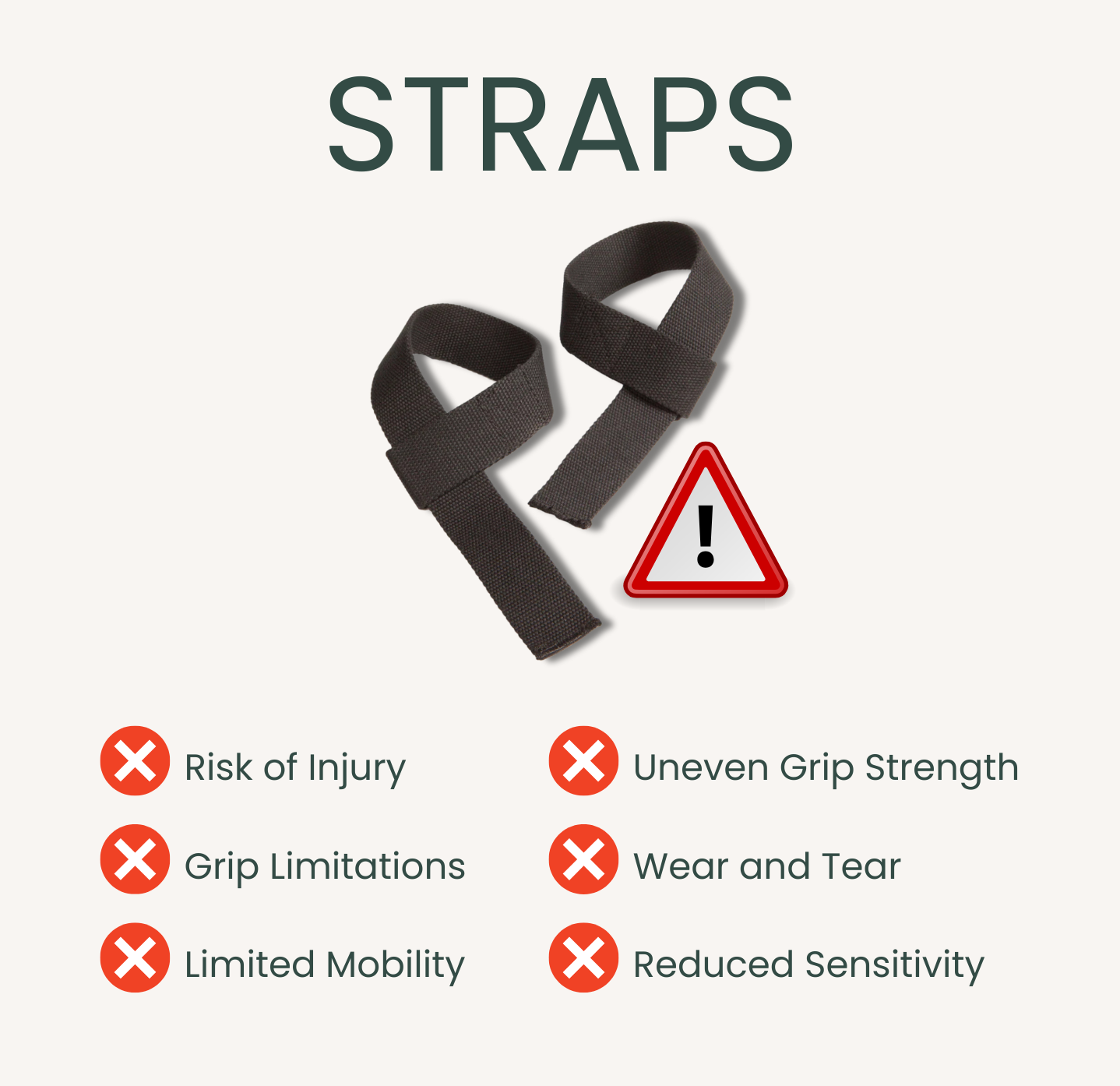
Machine exercises? No problem. But every time you move to free-weight pulls, you stall out.
It’s not your effort — it's your grip interface choking off up to 20% of potential muscle activation.
Elite Insight: Top lifters are realizing standard straps have been stunting their gains for years.
3. You're Strong — But Your Physique Isn’t Changing

You’re putting in the work, yet the mirror isn’t showing it.
Science proves old-school grip methods limit full muscle fiber recruitment — meaning you’re only tapping into part of your growth potential.
Training Reality: Most lifters access just 80% of their pull muscle capacity.
4. Your Form Fails Exactly When It Counts

Heavy lifts start clean — but under max effort, your technique collapses.
Here’s the real reason: traditional grip aids dull the critical sensory feedback your brain relies on to maintain solid form.
5. You're Training Harder Just to Keep Up
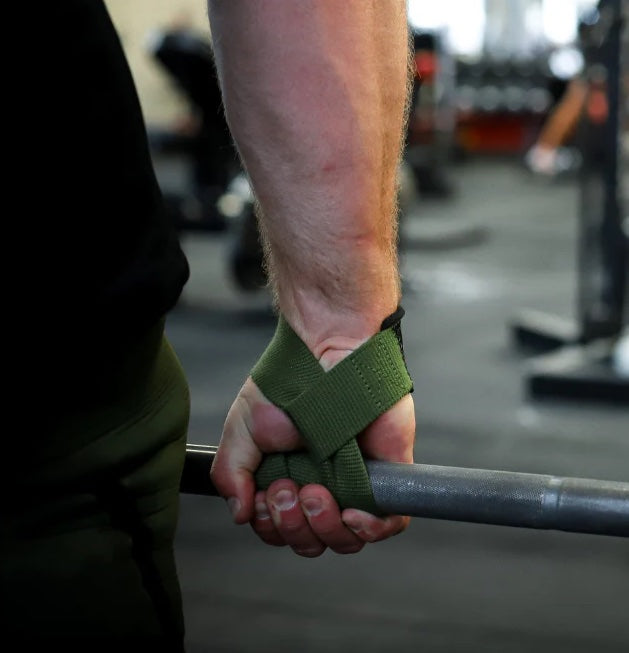
If you’re adding extra sets, drop sets, and burnout drills just to feel worked — your grip might be the issue.
Research shows standard grip tools force you to use 25% more volume to hit the same level of muscle stimulus.
Hard Truth: You're doing more work for fewer gains.
6. Your Mind-Muscle Connection Feels "Disconnected"

Especially noticeable for advanced lifters: when your body feels off, it usually is.
Studies confirm traditional grip methods physically block the neural signals between your brain and your working muscles, disrupting that crucial connection.
7. Your Calluses Are Quietly Limiting You
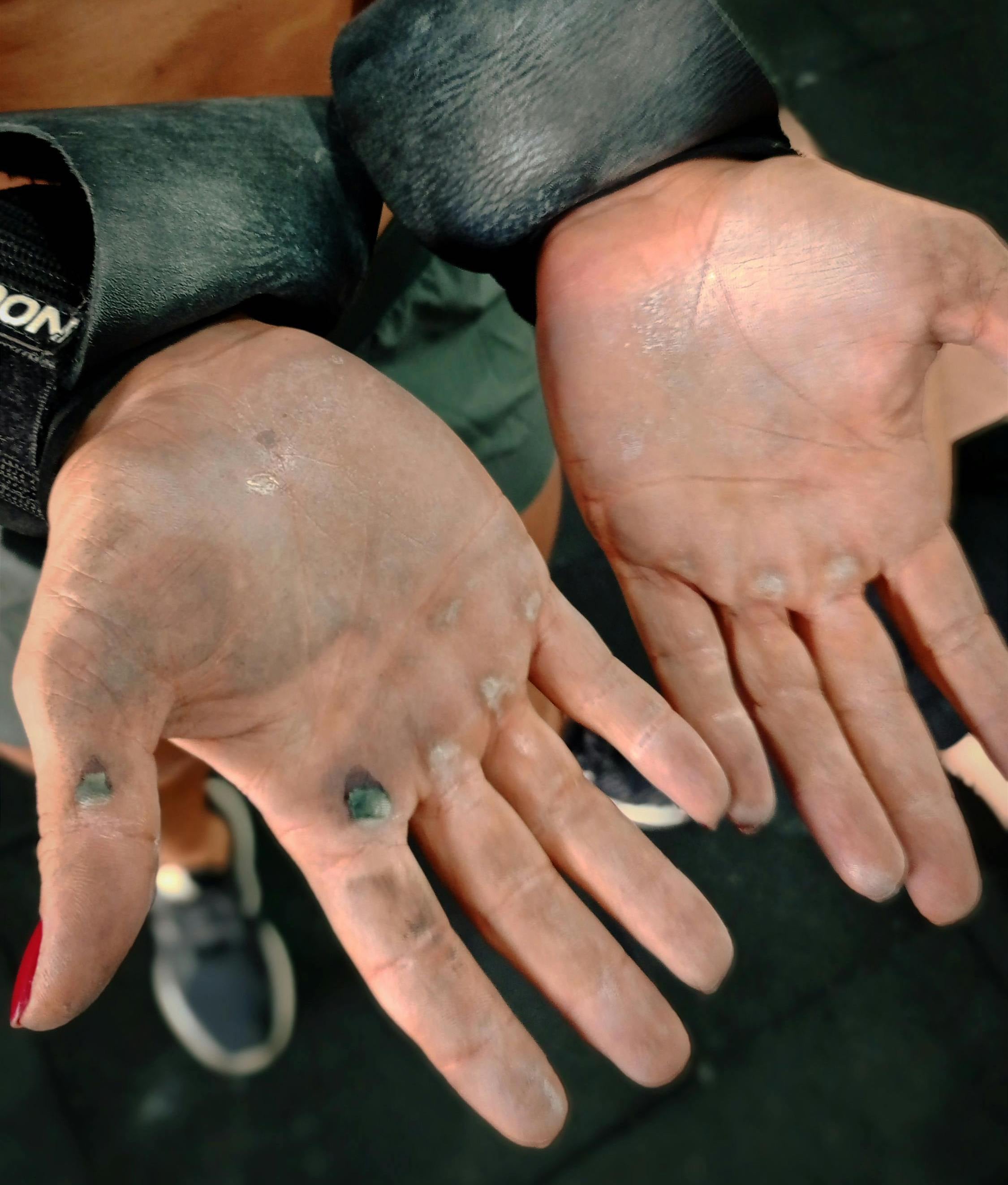
Think of your hard-earned calluses as battle scars? Maybe.
But each thickened patch of skin acts like an insulating layer, blunting the sensory feedback your grip needs — creating subtle but real "dead zones" in performance.
8. Deep Down, You Know You're Capable of More
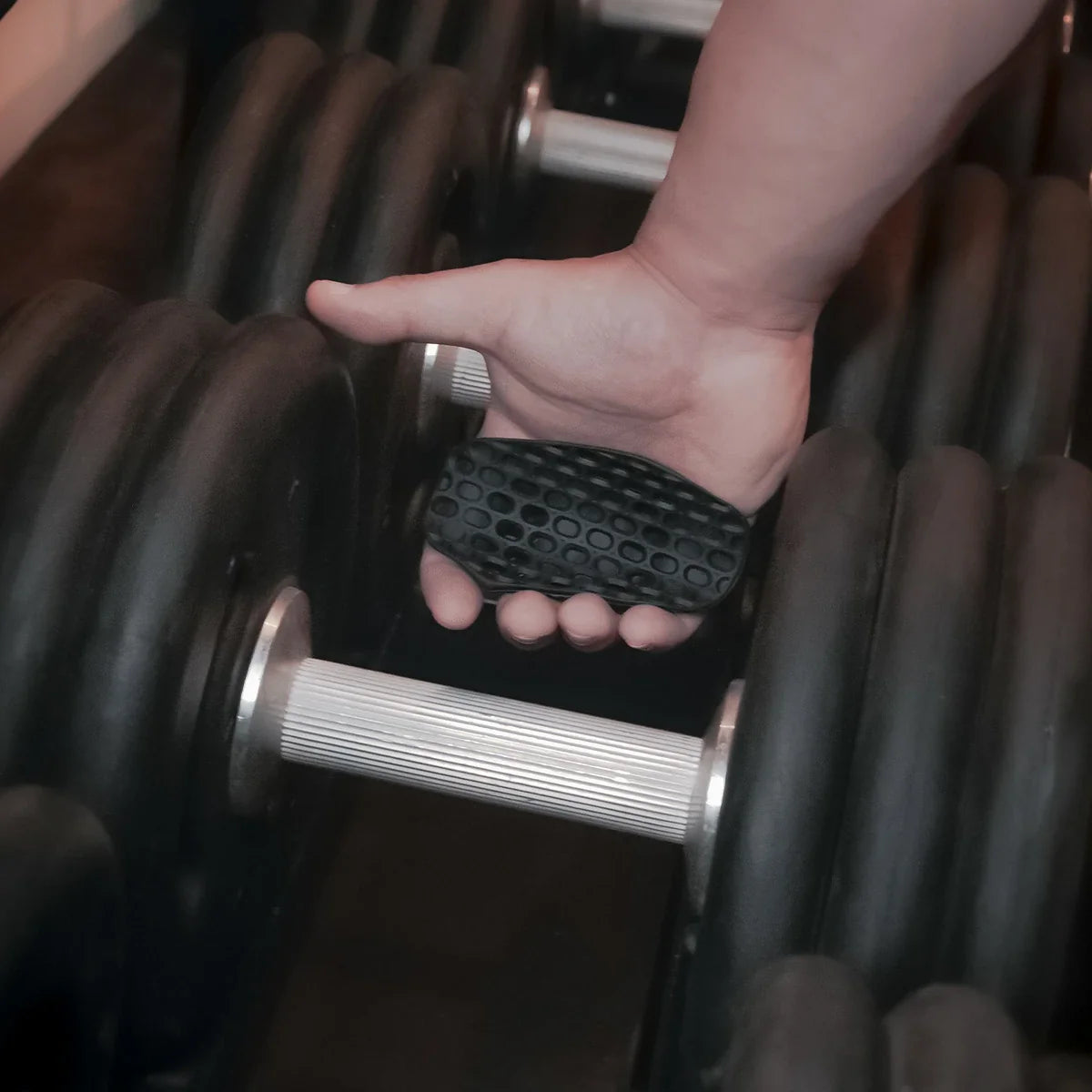
That nagging feeling that you have more strength inside?
You're right.
By optimizing grip performance, many athletes report immediate strength gains of up to 20% — often within the first week.
9. You're Ready for Breakthrough-Level Results

Lifters who upgrade their grip experience:
Instant improvements in mind-muscle connection
Full muscle activation verified through imaging technology
Personal records smashed within early sessions
Zero grip-related failures
Finally unlocking the physique and strength they've worked so hard for
Final Thought:
Your body is only as strong as your hands.
When your grip strength rises, so does everything else — lifts, endurance, confidence, and results.
Don’t let weak hands be the reason you fall short.